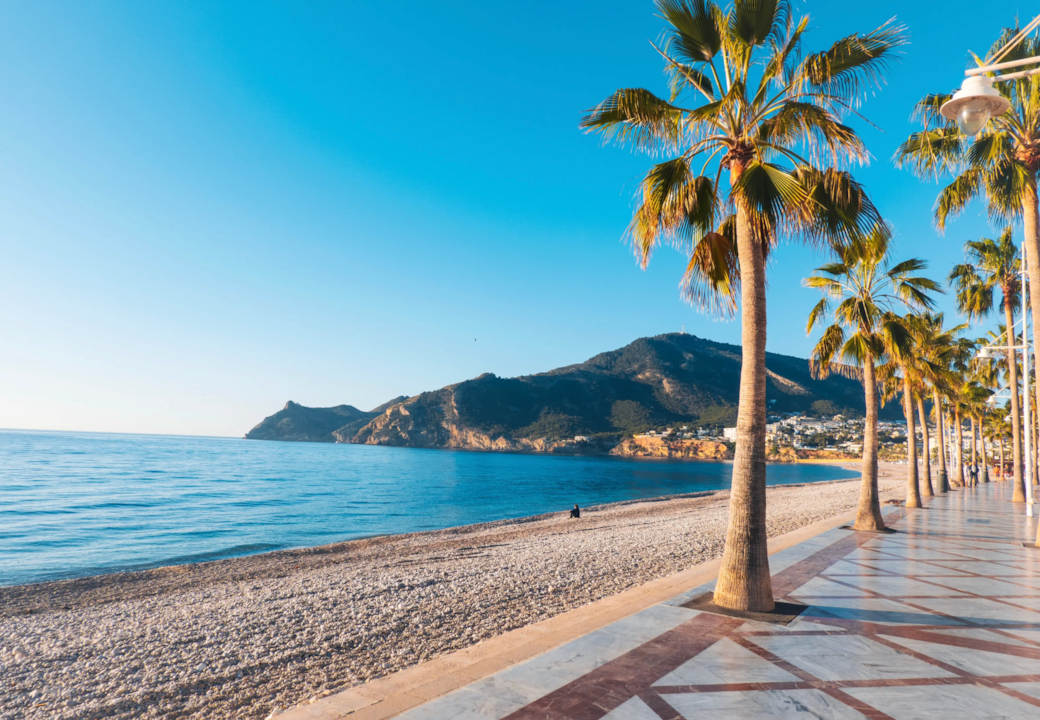
Beaches near Villa Almendros de Orba
From Villa Almendros de Orba, you can visit some of the most beautiful beaches on the Costa Blanca! Below you'll first find an overview of the beaches and their driving distance from the villa. Further down this page you'll find more detailed information about each beach. The beaches are listed in order of driving time from the villa, covering the entire coastline from Oliva to Altea.
Our favourite: Playa Rabdells
A beautiful, unspoilt sandy beach! It is just over a 20-minute drive from the villa. It's usually very quiet and features a lovely river mouth where young children can safely play. There are also restaurants and cafés open throughout the year thanks to the nearby campsites. Parking location on Google Maps (take the sandy track immediately after crossing the bridge).
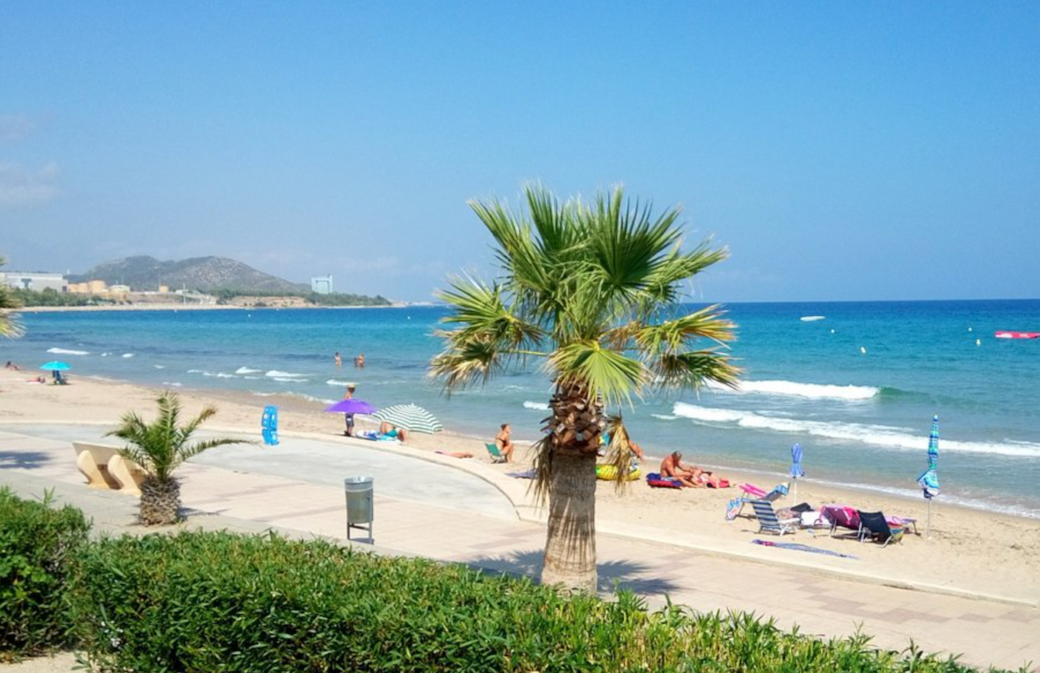
| No. | Area / Beach | Travel time from the Villa | Crowds | Beach type |
|---|---|---|---|---|
| 1 | Northern beaches of Dénia (Les Deveses → Punta del Raset) | ± 17 min. | Low – Medium | Long sandy beaches |
| 2 | Beaches of Oliva (Terranova → Aigua Morta) | ± 23 min. | Low – Medium | Sandy beach (fine to medium sand) |
| 3 | Playa de la Marineta Cassiana (Dénia) | ± 27 min. | Medium | Sandy beach (bay) |
| 4 | Les Rotes rocky beaches (El Trampolí, Punta Negra, Arenetes) | ± 35 min. | Low – Medium | Rocky and pebble beaches |
| 5 | Playa El Arenal (Jávea) | ± 35 min. | High | Sandy beach (bay) |
| 6 | Cala Blanca (Jávea) | ± 35 min. | Medium | Rocky and pebble cove |
| 7 | Cala Portitxol (La Barraca) | ± 40 min. | Medium – High | Pebble cove |
| 8 | Cala Ambolo | ± 40 min. | Low – Medium | Rocky and pebble cove |
| 9 | Cala Granadella | ± 45 min. | Medium – High | Pebble cove |
| 10 | Cala del Moraig (Benitachell) | ± 45 min. | Medium – High | Rocky and pebble cove |
| 11 | Beaches of Moraira (Ampolla, El Portet, Platgetes, Andragó) | ± 40 min. | Medium – High | Mix of sandy and pebble coves |
| 12 | Beaches of Benissa (Baladrar, Advocat, La Fustera) | ± 40 min. | Low – Medium | Pebble coves + 1 sandy beach |
| 13 | Beaches of Calpe (La Fossa & Arenal-Bol) | ± 35 min. | High | Large sandy beaches |
| 14 | Beaches of Altea (Cap Blanc, La Roda, Cap Negret, l’Olla) | ± 45 min. | Medium | Pebble beaches |
1. Northern beaches of Dénia: peace, space and lively seaside atmosphere in one coastline - 17 minutes by car
North of Dénia’s town centre, a long continuous stretch of coast begins at Platja de Les Deveses and ends at Punta del Raset. See below for the exact locations of all beaches. These beaches feel connected, yet each part has its own character. It starts at Les Deveses, with plenty of space, dunes and a natural feel. The wind here is often ideal for sailing and surfing. This is where you mainly enjoy peace, openness and nature.
Towards Dénia, the beach becomes more varied. At L’Almadrava and Els Molins, sand and pebbles alternate, and the atmosphere remains relatively quiet, with clear water and a more local feel. The closer you get to town, the livelier it becomes. Les Bovetes is popular with families thanks to its fine sand, shallow water and good facilities. The coastline ends at Les Albaranes and Punta del Raset, where beach and town blend together and you’ll find plenty of facilities, sports options and restaurants. Together, these beaches form a natural transition from peace and nature to comfort and lively town life.
Crowds: low – medium
-
Beach type: sandy beach, medium-coarse sand
-
Facilities: the closer to Dénia, the more facilities you’ll find.
-
Parking: free, along the coastal road; easy to find, the nearest spot (17 minutes) for example here
-
Shape: long and stretched out
Locations from north to south towards Dénia: open directly in Google Maps: Playa les Deveses, Playa L’Almadrava, Playa Els Molins, Playa Les Bovetes, Playa Les Albaranes, Playa Punta del Raset
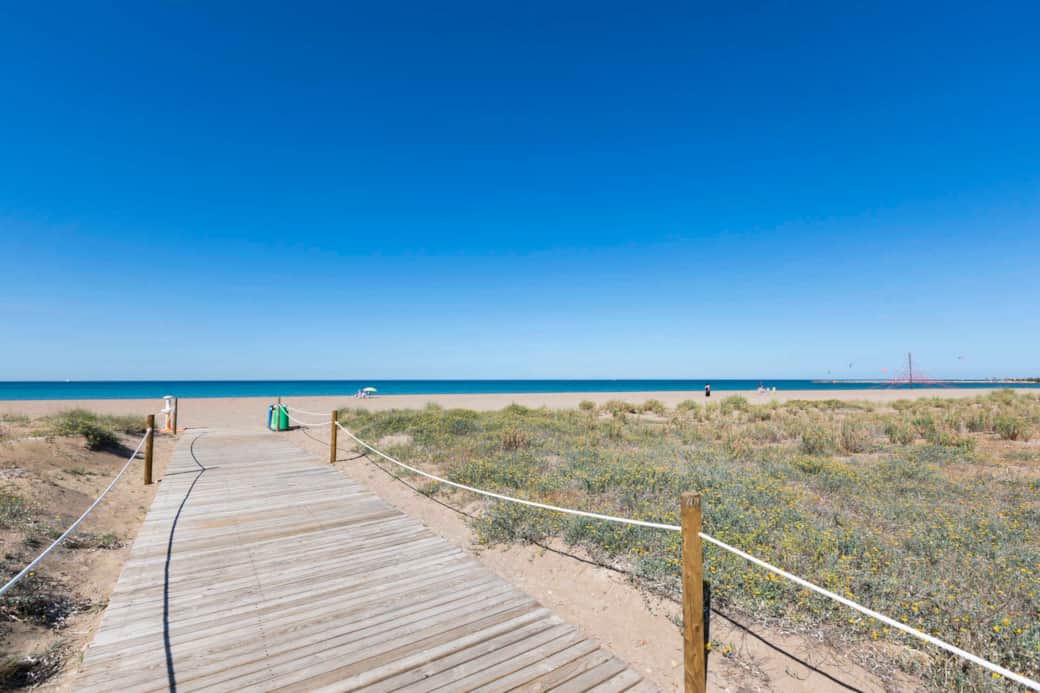
2. The Beaches of Oliva: Nature, Space and Local Charm - 23 Minutes by Car
The coastline of Oliva consists of a long, uninterrupted series of beaches known for their tranquillity, wide open spaces and natural beauty. From Playa Terranova-Burguera to Playa de l’Aigua Morta, the coast stretches almost continuously, featuring broad sandy beaches, dunes and very little high-rise development. This makes Oliva an ideal destination for those who enjoy relaxing in nature while still having amenities within easy reach.
In the north, around Terranova-Burguera and Rabdells, the landscape feels particularly unspoilt. Dunes, walking paths and expansive beaches create a sense of peace and freedom. Thanks to the open coastline, a pleasant breeze is common, making these beaches popular with windsurfers and kitesurfers. Closer to the centre of Oliva, the atmosphere gradually becomes livelier. Aigua Blanca and Pau-Pi combine a natural setting with additional comforts such as promenades, beach bars and restaurants. Pau-Pi is considered the vibrant heart of Oliva’s beaches, with facilities that are especially appealing to families.
Further south, at Aigua Morta in Oliva Nova, the tranquillity returns. Here, the beach blends seamlessly with dunes, nature reserves and the nearby golf resort. The river mouth close to the beach creates a unique landscape and gives this area a character all of its own. Together, the beaches of Oliva offer a varied coastline where you can easily alternate between peaceful nature and enjoyable beach life.
Overview of the Beaches of Oliva (Terranova to Aigua Morta)
-
Crowds: low to medium (busier around Pau-Pi, quieter at Terranova and Rabdells)
-
Beach type: sandy beach, fine to medium-coarse sand
-
Facilities: ranging from very limited to fully equipped with showers, restaurants, playgrounds and promenades
-
Parking: mostly free, usually directly next to or just behind the beach
-
Shape: long, continuous coastline
-
Location: open directly in Google Maps: Playa de Terranova, Playa Pau-Pi, Playa de l’Aigua Blanca, Playa de Rabdells, Playa de l’Aigua Morta
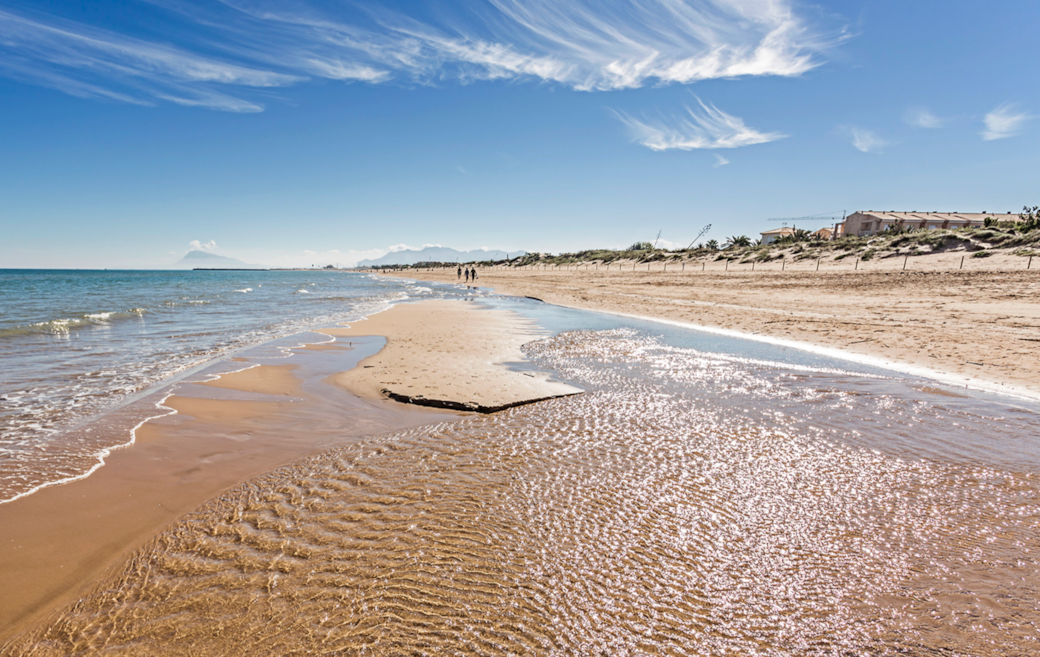
3. Playa de la Marineta Cassiana – 27 Minutes by Car
Playa de la Marineta Cassiana is located just south of Dénia's marina and has the feel of a peaceful town beach with a charming village atmosphere. Unlike the long, open beaches north of Dénia, Marineta is a sheltered bay, meaning the sea is usually calm and gentle. The sandy beach is easy to oversee, and the shallow, gradually sloping water makes it an excellent choice for families with young children. Along the promenade you'll find several cafés and restaurants, making it easy to combine a relaxing beach day with lunch or dinner by the sea. Thanks to its location close to the town centre, the beach is popular with locals while avoiding the crowds often found on larger urban beaches.
-
Crowds: medium (busier during summer, but rarely overcrowded)
-
Beach type: sandy beach, fine sand
-
Facilities: toilets, showers, restaurants, sunbeds; lifeguard service during the summer season
-
Parking: both free and paid parking available nearby; generally easy to find outside peak hours
-
Shape: bay
-
Location: open directly in Google Maps
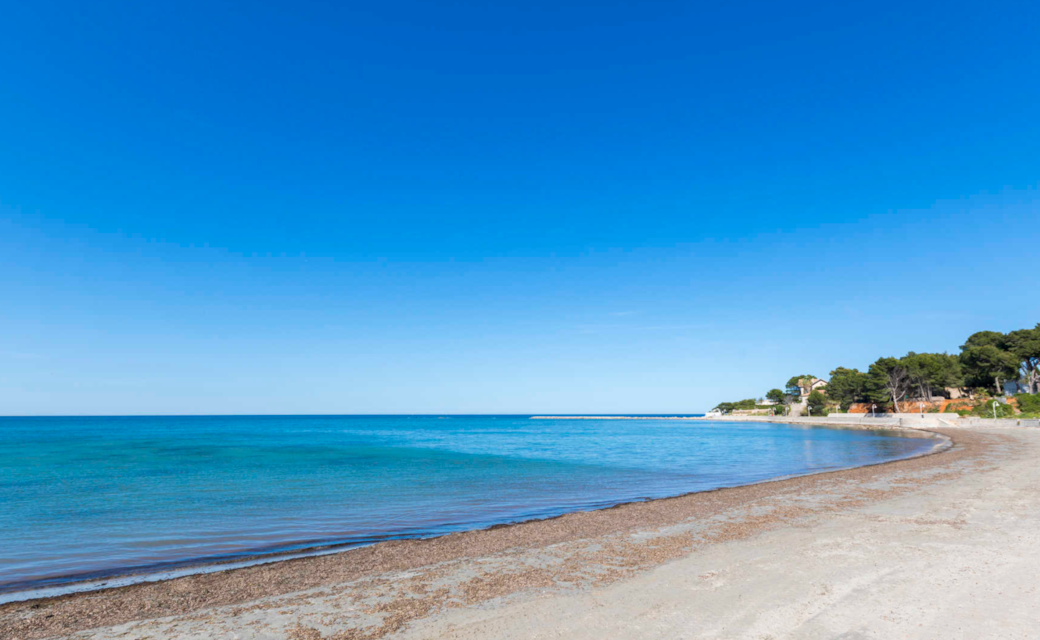
4. Rocky Beaches of Les Rotes in Dénia: Snorkelling, Tranquillity and Rugged Nature – 35 Minutes by Car
South of Dénia, the coastline changes dramatically from sandy beaches to rocky shores. Playa El Trampolí, Cala Punta Negra and Cala Les Arenetes together form a continuous rocky coastal area known as Les Rotes. These beaches offer a completely different experience from the sandy shores north of the harbour. Instead of wide sandy beaches and sun loungers, you'll find rugged rocks, crystal-clear deep water and an unspoilt natural setting.
El Trampolí marks the beginning of this coastline. The beach is famous for its wooden diving platform built on the rocks, a local landmark that has been used for generations. The water here is deep and exceptionally clear, with Posidonia seagrass meadows supporting a rich underwater ecosystem. Further south lies Cala Punta Negra, not so much a traditional cove as a long rocky stretch along the scenic coastal walking path. It is an ideal place for snorkelling, relaxing and enjoying the peaceful surroundings.
At the very end of the route you'll find Cala Les Arenetes, a small sheltered rocky cove with spectacular views of the open sea and surrounding cliffs. During the summer months, this section is only accessible on foot, which adds to its exclusive and tranquil atmosphere. Together, these beaches form the perfect destination for nature lovers, snorkellers and anyone looking for a less touristy beach experience.
-
Crowds: low – medium
-
Beach type: rocky and pebble beaches, no sand
-
Facilities: very limited; some facilities available near El Trampolí
-
Parking: limited; available near El Trampolí, other areas often require a short walk
-
Shape: rocky coastline with small coves
-
Location: open directly in Google Maps: Playa El Trampolí, Cala Punta Negra, Cala Les Arenetes
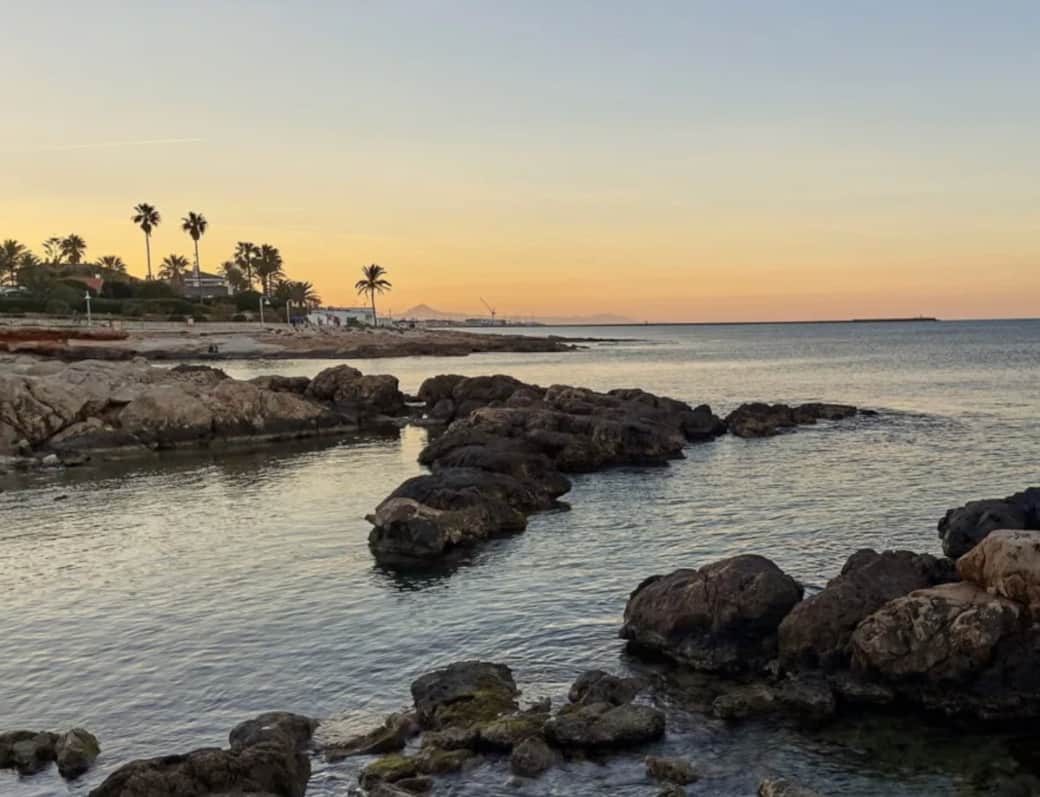
5. Playa El Arenal in Jávea: Sandy Beach with All Amenities – 35 Minutes by Car
Playa El Arenal is Jávea’s most famous and liveliest beach, offering a striking contrast to the rocky coves found elsewhere along the coastline. It is the only true sandy beach in Jávea, with fine golden sand and a gently sloping shoreline. This makes it particularly suitable for families with children. A wide promenade runs along the beach, lined with restaurants, cafés and shops, creating a vibrant holiday atmosphere from early morning until late at night. The beach is well maintained, easy to navigate and has an international feel while still retaining its Mediterranean charm.
-
Crowds: high (especially during July and August)
-
Beach type: sandy beach, fine sand
-
Facilities: toilets, showers, sunbeds, restaurants, lifeguards and water sports rentals
-
Parking: both paid and free parking available nearby; busy during the high season
-
Shape: bay
-
Location: open directly in Google Maps
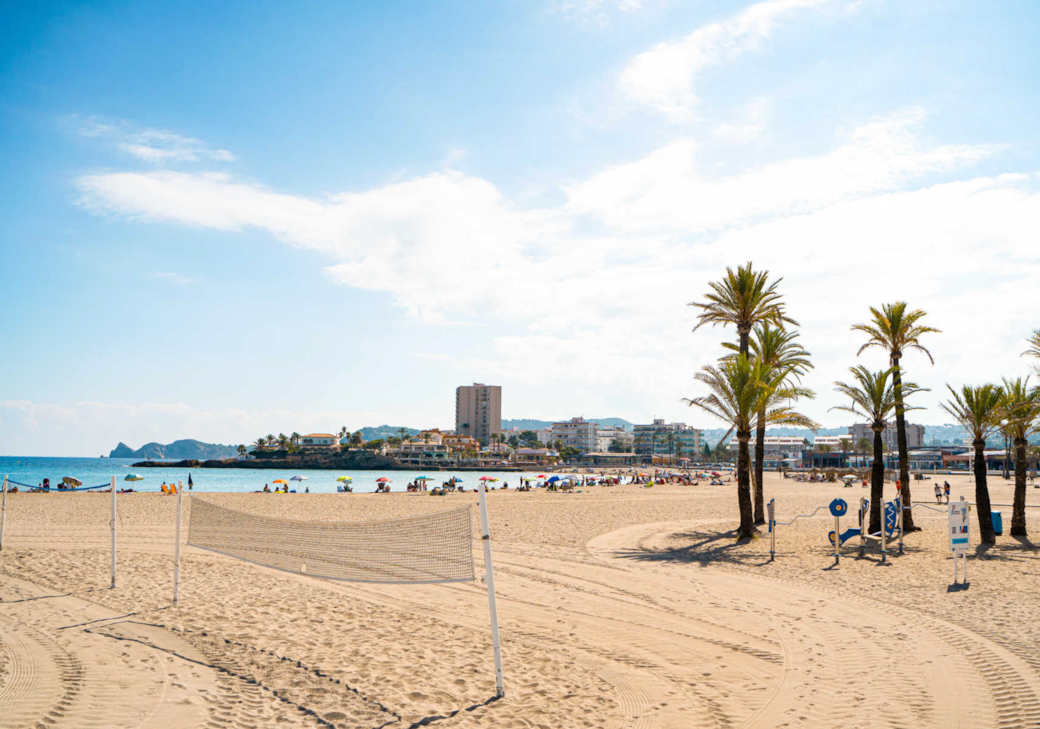
6. Cala Blanca: Small Cove with Crystal-Clear Water and White Cliffs – 35 Minutes by Car
Cala Blanca consists of two small rocky coves just south of Playa El Arenal and feels like a peaceful, natural counterpart to the lively sandy beach nearby. The light-coloured limestone cliffs give this spot its name and create a stunning backdrop. There is very little sand here; visitors come mainly for the crystal-clear water, rocky seabed and abundant marine life. Cala Blanca is especially popular with snorkellers and those seeking a quieter beach experience away from the crowds, surrounded by nature.
-
Crowds: medium (quieter than El Arenal)
-
Beach type: rocky and pebble beach, no sand
-
Facilities: no on-site facilities; cafés and restaurants within walking distance
-
Parking: free roadside parking and a few small parking areas; limited availability
-
Shape: small cove
-
Location: open directly in Google Maps
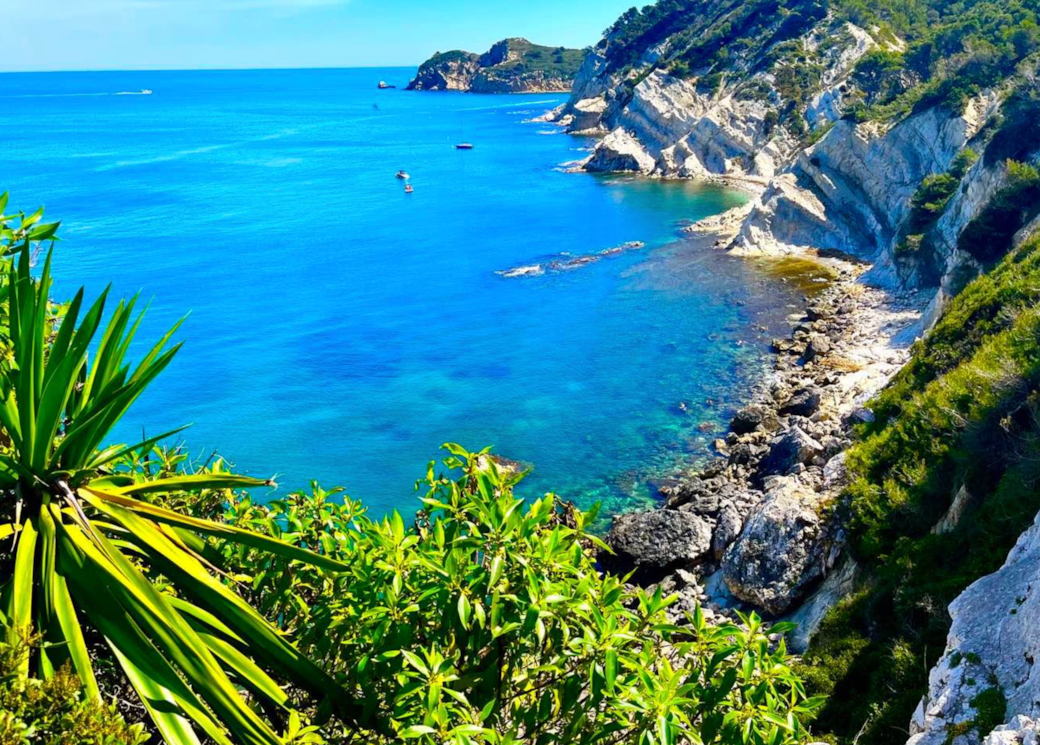
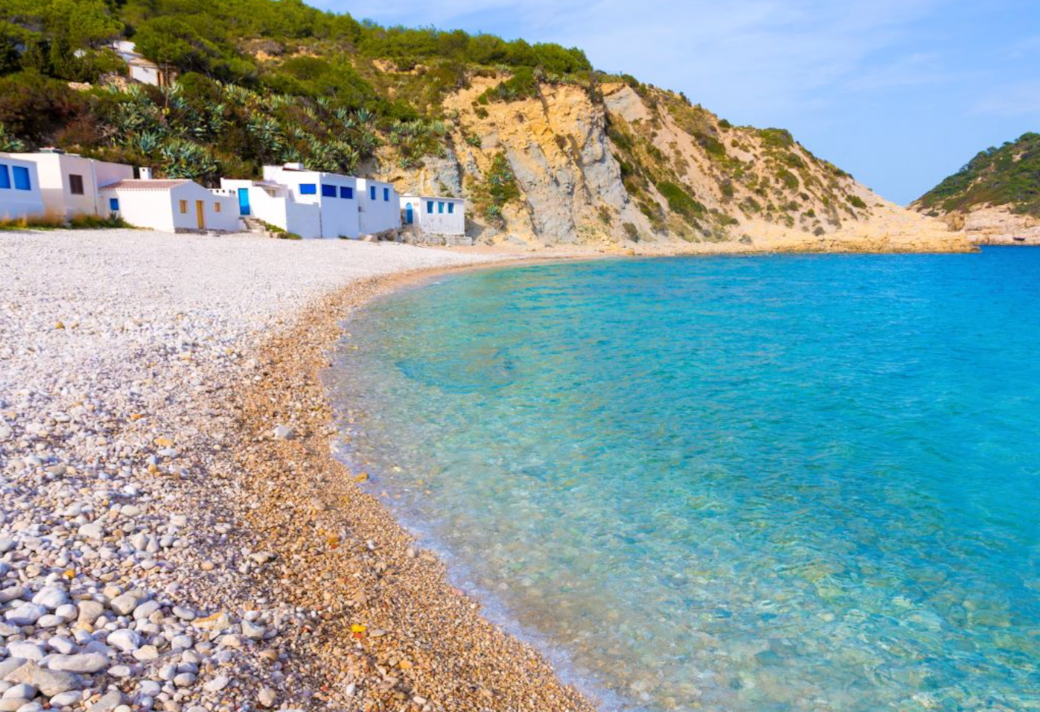
7. Cala Portitxol (La Barraca): Photogenic Cove with Fishermen’s Houses and Crystal-Clear Water – 40 Minutes by Car
Cala Portitxol, also known as La Barraca, is one of Jávea’s most iconic and photographed coves. The whitewashed fishermen’s houses with their distinctive blue doors give this location an almost postcard-perfect appearance. The beach consists of pebbles and large stones, which help keep the water exceptionally clear. Just offshore lies Portitxol Island, and together with the rocky seabed it creates a rich underwater environment. Snorkellers and kayakers particularly love this spot. Due to its popularity, the cove can become very busy during the summer months, so arriving early is highly recommended.
-
Crowds: high during summer, medium outside the peak season
-
Beach type: pebble beach, coarse stones (no sand)
-
Facilities: no permanent facilities; seasonal beach bar available
-
Parking: limited and regulated; often only accessible with a permit or shuttle bus during the high season
-
Shape: cove
-
Location: open directly in Google Maps
8. Cala Ambolo – Wild Cove with Rugged Cliffs and Turquoise Waters – 40 Minutes by Car
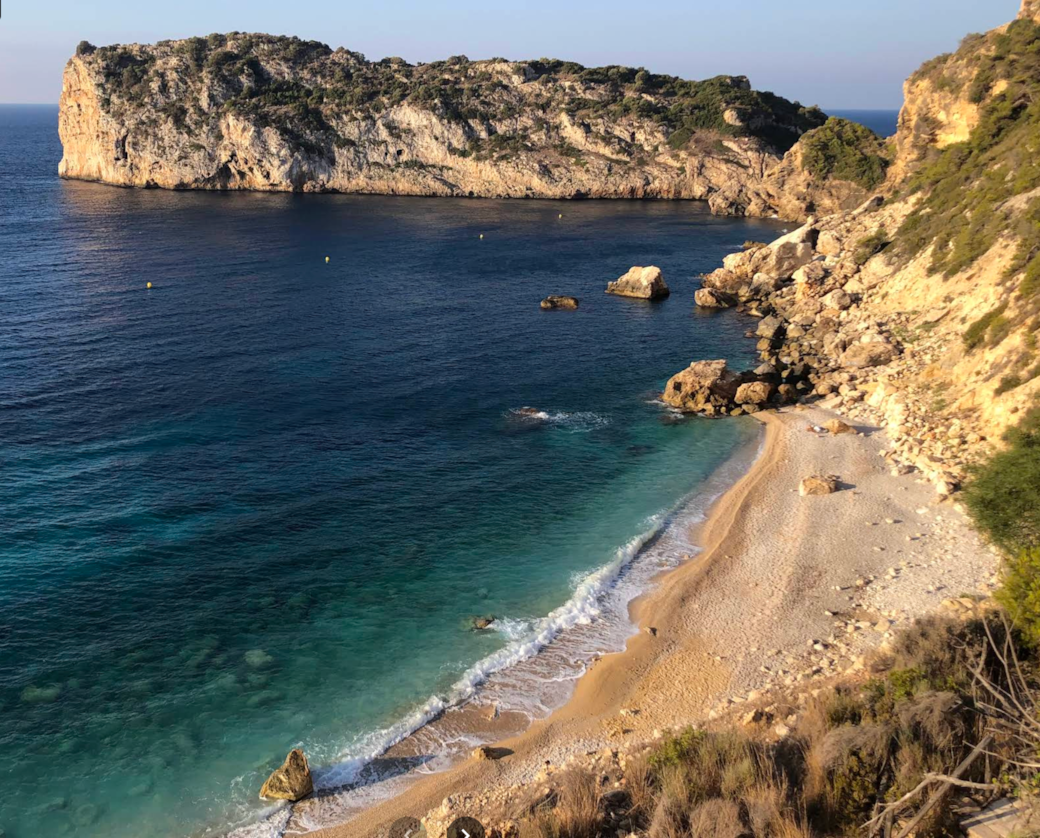
Cala Ambolo is one of Jávea’s most unspoilt and spectacular coves. Hidden between towering cliffs, this small and secluded bay offers a truly natural setting. The beach consists of pebbles and rocks and is famous for its crystal-clear turquoise water. Cala Ambolo is particularly popular with adventurous beachgoers, snorkellers and visitors seeking peace and quiet who are willing to make the steep walk down to the shore. Thanks to its limited accessibility, the cove feels exclusive and tranquil. Please note that access may occasionally be restricted due to safety concerns or environmental protection measures.
-
Crowds: low – medium (depending on accessibility)
-
Beach type: pebble and rocky beach, coarse surface
-
Facilities: none
-
Parking: limited roadside parking; followed by a steep walk down to the beach
-
Shape: small cove
-
Location: open directly in Google Maps
9. Cala Granadella – Iconic Natural Cove with Azure Blue Waters – 45 Minutes by Car
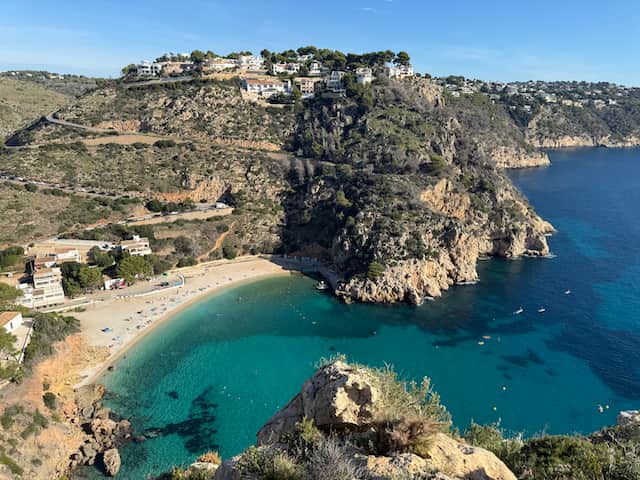
Cala Granadella is one of Jávea’s most beloved and photographed coves. This small crescent-shaped bay is nestled between steep, green cliffs and is famous for its intensely azure, crystal-clear waters. The beach is made up of pebbles and stones, providing excellent underwater visibility and making it one of the best snorkelling spots on the Costa Blanca. Due to its popularity, the cove can become crowded during the summer months and access is sometimes regulated. However, those who arrive early or visit outside the high season will discover one of the region’s most spectacular natural settings.
-
Crowds: high during summer, medium outside the peak season
-
Beach type: pebble beach, coarse stones (no sand)
-
Facilities: restaurant/chiringuito, sunbeds (seasonal)
-
Parking: regulated; during the high season access is often limited and shuttle buses may be required
-
Shape: small cove
-
Location: open directly in Google Maps
10. Cala del Moraig – Spectacular Cove with Sea Caves and Azure Blue Waters – 45 Minutes by Car
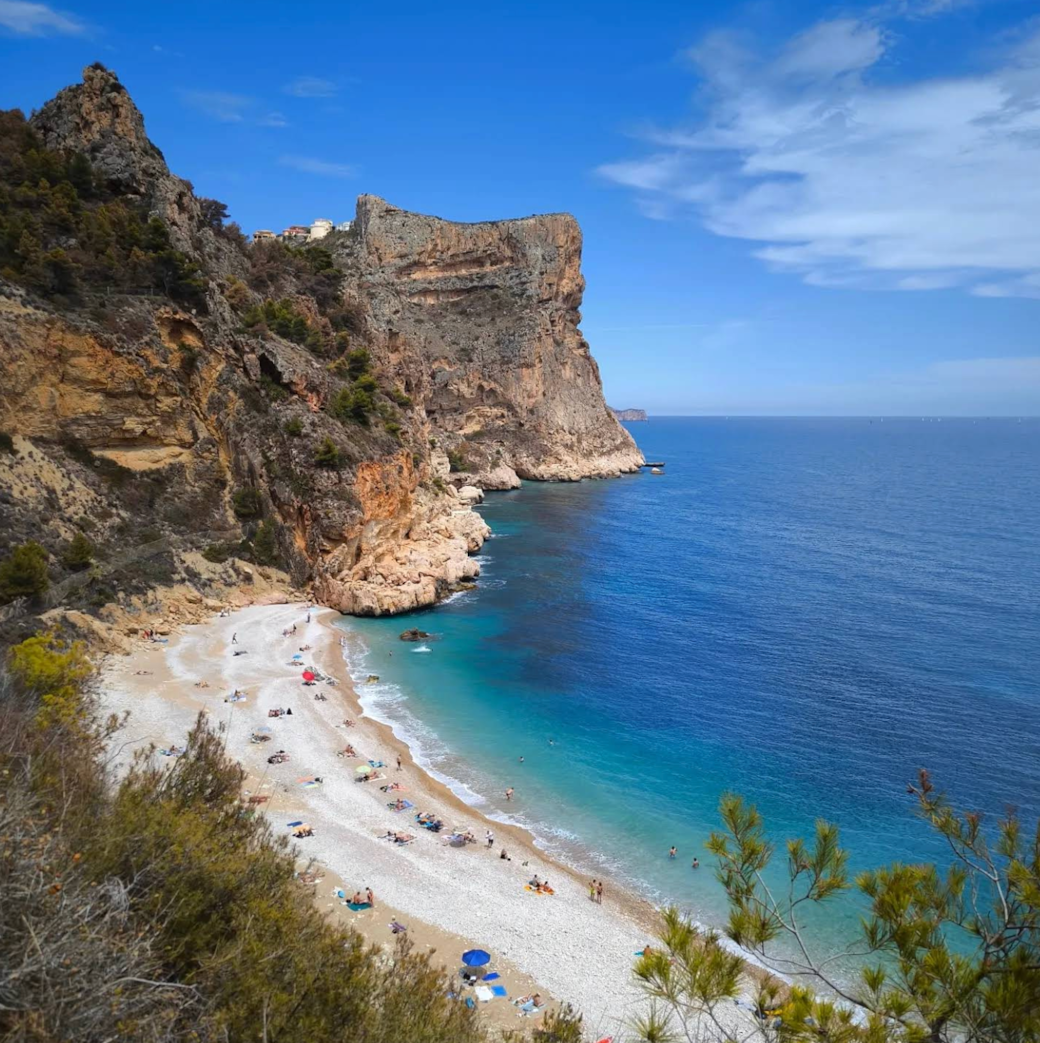
Cala del Moraig lies at the foot of the impressive cliffs of Cumbre del Sol and is considered one of the most spectacular beaches in the region. The cove consists of pebbles and rocks and is famous for its deep, intensely blue waters. One of its most unique features is the presence of sea caves, including the famous Cova dels Arcs, where fresh and salt water meet, creating a fascinating underwater landscape for snorkellers and divers. Surrounded by steep cliffs, the bay feels wild and unspoilt, while the water is almost always crystal clear. It is the perfect destination for nature lovers, snorkellers and anyone who appreciates dramatic coastal scenery.
-
Crowds: medium – high during summer
-
Beach type: pebble and rocky beach, coarse surface
-
Facilities: beach bar/chiringuito, toilets (seasonal)
-
Parking: paid parking area above the cove; followed by a short but steep walk down
-
Shape: cove
-
Location: open directly in Google Maps
11. Beaches of Moraira – Compact Coastline with Coves, Comfort and Crystal-Clear Waters – 40 Minutes by Car
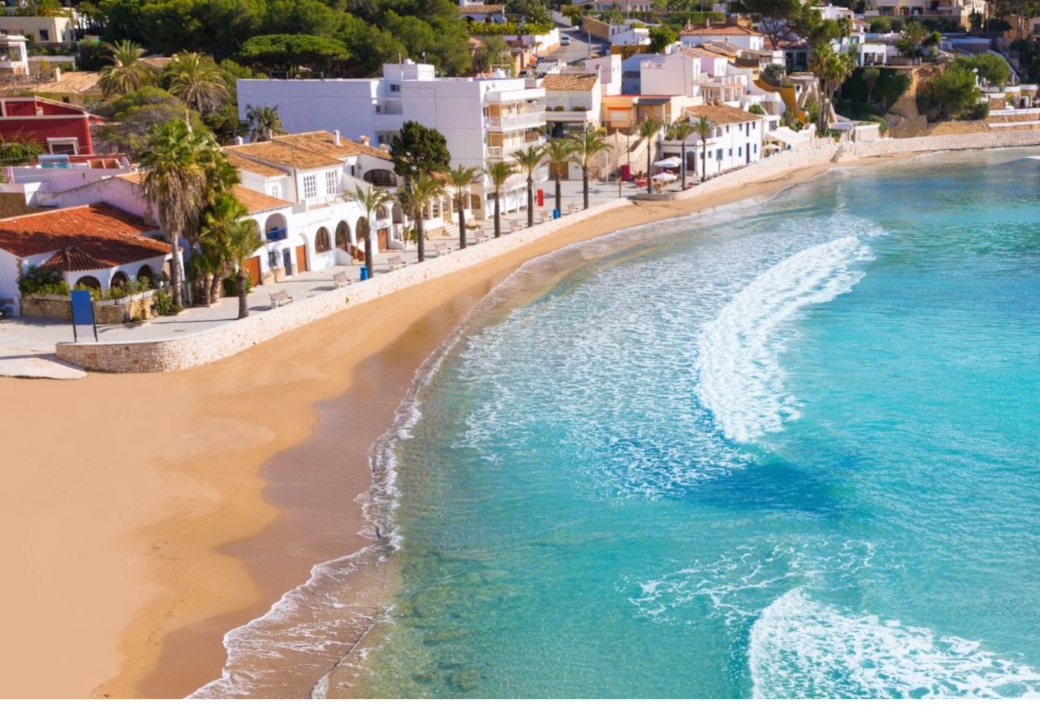
The beaches of Moraira form a compact yet highly varied coastline, where everything is close together while each location has its own unique character. It begins with Playa L’Ampolla, the largest and most central sandy beach, located right next to the village and Moraira’s castle. This beach is easy to access, well-equipped and particularly suitable for families thanks to its fine sand and calm waters.
Just around the corner lies Playa El Portet, one of Moraira’s most beloved coves. This semi-circular bay is sheltered from the wind and features shallow, crystal-clear water and a relaxed atmosphere. El Portet has an almost Caribbean feel and is perfect for young children, paddleboarding and leisurely swimming.
Between these two beaches you'll find Les Platgetes, two small beaches with a mix of sand and rocks, connected by a scenic seafront walkway. Here you can combine sunbathing with snorkelling and enjoy a meal or drink at one of the restaurants overlooking the sea. The coastline ends at Cala L’Andragó, a rocky inlet with exceptionally clear water, popular with snorkellers and visitors who prefer a more natural setting with less sand.
Together, the beaches of Moraira offer the perfect balance of comfort, charm and natural beauty, all within walking distance or a short drive of one another.
Overview of this Stretch of Coast (Moraira)
-
Crowds: medium – high during summer
-
Beach type: mix of sandy beaches and rocky/pebble coves
-
Facilities: extensive at L’Ampolla and El Portet; restaurants and cafés available at all locations
-
Parking: both paid and free parking available in the village; can be busy during the high season
-
Shape: several small coves and short stretches of beach
-
Location: open directly in Google Maps: Playa L’Ampolla, Playa El Portet, Les Platgetes, Cala L’Andragó
12. Beaches of Benissa – Small Coves and a Surprising Sandy Beach Along a Rugged Coastline – 40 Minutes by Car
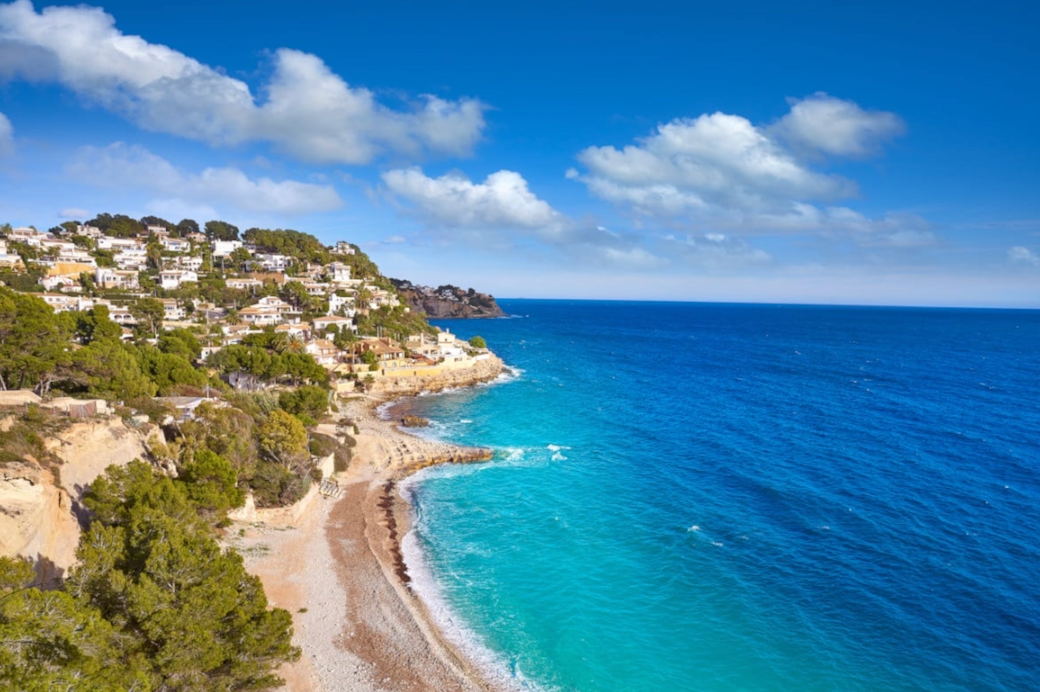
The coastline of Benissa consists of a series of small beaches and coves that offer a completely different atmosphere from the long sandy beaches further north. Cala Baladrar, Cala de l’Advocat and Platja de La Fustera are located close to one another and together form a diverse stretch of coastline where nature, crystal-clear water and a peaceful setting take centre stage.
It begins with Cala Baladrar, an intimate pebble cove nestled between pine trees and rocky cliffs. The atmosphere is tranquil and natural, with exceptionally clear water that is perfect for snorkelling. A beach bar overlooking the cove makes it a favourite spot to relax for hours. A little further along the coast lies Cala de l’Advocat, a small sheltered bay with a narrow stretch of sand and pebbles. Thanks to the protective breakwater, the sea here is usually calm, making it a great choice for families looking for a quieter alternative to the larger beaches.
The coastline ends at Platja de La Fustera, Benissa’s most accessible and family-friendly beach. This is a genuine sandy cove with shallow waters, a Blue Flag award and excellent facilities. La Fustera provides a pleasant contrast to the smaller coves and is ideal for visitors who want to combine comfort with the natural beauty of the Benissa coast. Together, these beaches offer a wonderful mix of snorkelling spots, peaceful surroundings and family-friendly beach experiences.
-
Crowds: low – medium (busier at La Fustera during summer)
-
Beach type: mix of pebble/rocky coves and one sandy beach
-
Facilities: beach bars and restaurants at all locations; full facilities available at La Fustera
-
Parking: free and paid parking available; usually close to the beach, though more limited at the smaller coves
-
Shape: small coves alternating with short stretches of beach
-
Location: Cala Baladrar, Cala de l’Advocat, Platja de La Fustera
13. Beaches of Calpe – Wide Sandy Beaches with Views of the Peñón de Ifach – 35 Minutes by Car
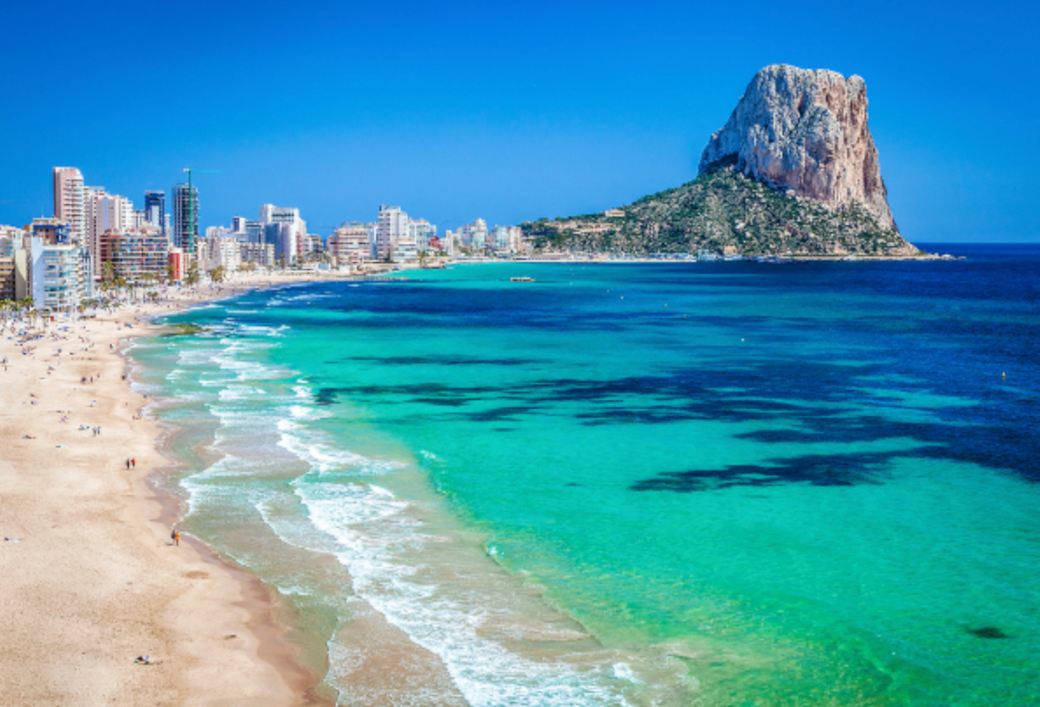
The beaches of Calpe are among the most famous on the Costa Blanca. Playa de La Fossa and Arenal-Bol offer wide stretches of golden sand, clear waters and a lively atmosphere. The iconic Peñón de Ifach provides a spectacular backdrop and gives these beaches their unmistakable character.
These beaches are ideal for families and visitors looking for comfort and convenience. Restaurants, promenades, shops, sunbeds and a wide range of activities can all be found nearby. During the summer months, the atmosphere is vibrant and energetic, yet the beaches are spacious and well organised.
Crowds: high, especially during summer
Beach type: large sandy beaches
Facilities: numerous restaurants, showers, toilets, sunbeds, lifeguards and a seafront promenade
Parking: both free and paid parking available nearby; can be more difficult to find during the high season
Shape: long urban beaches
Location: Calpe
14. Platja Cap Blanc – Altea’s Main Beach with Crystal-Clear Waters and Plenty of Space + 3 Additional Beaches – 45 Minutes by Car
Platja Cap Blanc is Altea’s main and most accessible beach. This long pebble beach is renowned for its exceptionally clear turquoise waters and relaxed atmosphere. Thanks to its length, the beach feels spacious even during the summer months. Along the promenade, you'll find cafés and restaurants with sea views, making it easy to combine a swim with lunch or dinner by the Mediterranean. It is an excellent choice for visitors looking for quality, tranquillity and comfort without the crowds of larger seaside resorts.
In addition to Cap Blanc, Altea offers several other beaches, each with its own unique character:
-
Playa de la Roda – Altea’s most urban beach, located directly below the historic old town. Lively and popular with locals, it is ideal to combine with a stroll through the picturesque village streets.
-
Platja del Cap Negret – quieter and less touristy, featuring darker pebbles and a strong local atmosphere. A great spot for swimming and snorkelling.
-
Platja de l’Olla – a more natural beach with views of the small island of l’Olla, a relaxed atmosphere and several excellent restaurants along the coastline.
Together, these beaches provide plenty of variety within Altea: from central and lively to peaceful and natural, all offering crystal-clear waters and located just a short distance from one another.
-
Crowds: medium
-
Beach type: pebble beach, medium-coarse pebbles (no sand)
-
Facilities: showers, restaurants and cafés along the promenade, sunbeds (seasonal)
-
Parking: free and paid parking available along the road; usually easy to find
-
Shape: long and stretched out
-
Location: open directly in Google Maps: Platja Cap Blanc, Playa de la Roda, Platja del Cap Negret, Platja de l’Olla